
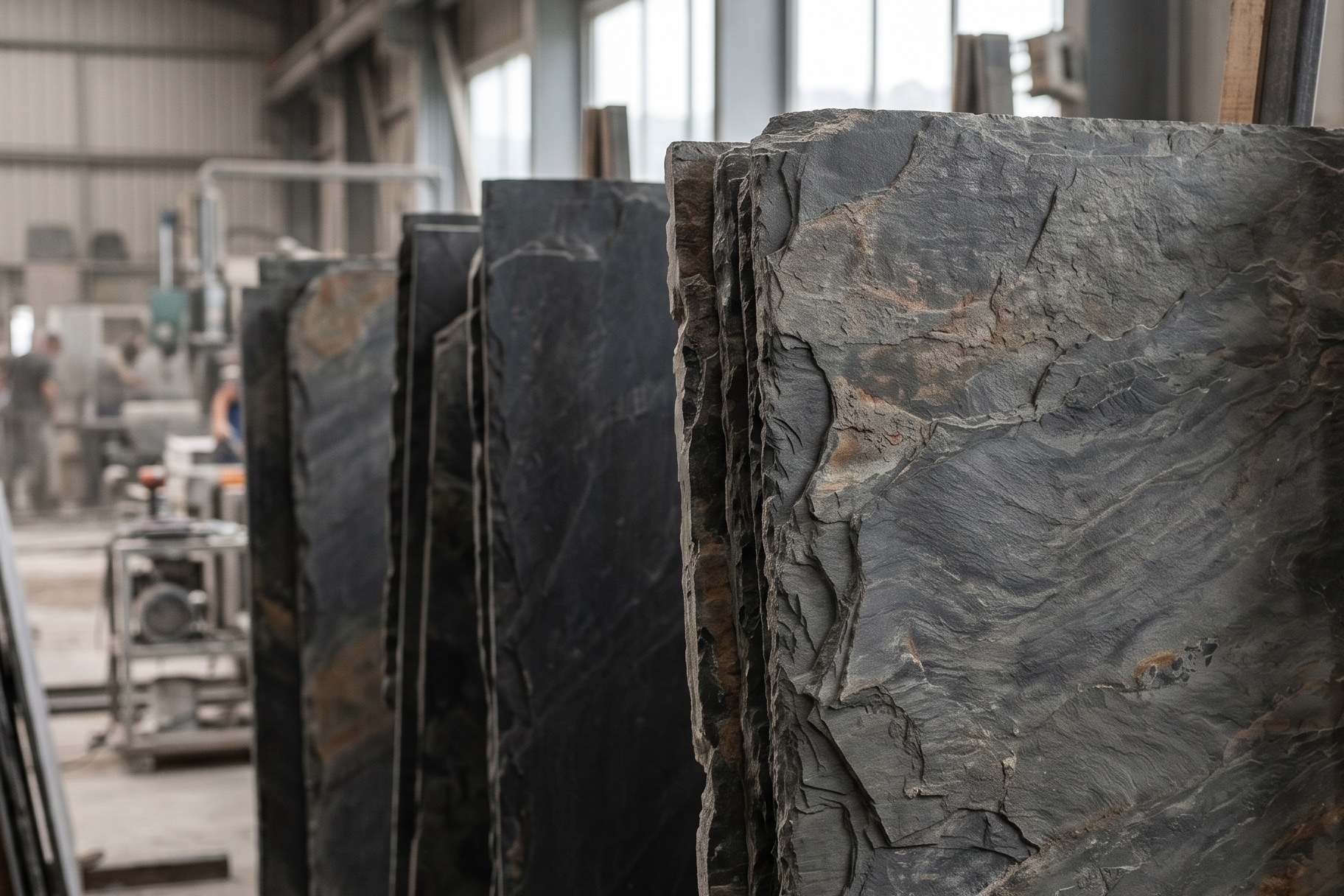
Laser processing of natural stones is now an established reality in the world of interior design, architecture and funerary art. When it comes to stone carvings, however, marble is almost always the first material you think of, both because of the long historical tradition of its workmanship and because it lends itself in an extraordinary way to the CO₂ laser. The world of stones, however, is much broader: granite, slate, quartzite, travertine, basalt, and many other hard stones respond differently to lasers and require in-depth knowledge of the effect of processing parameters. Added to these is ceramics, a material with unique characteristics that opens up interesting production scenarios. Let’s see in detail what changes.
Why marble is the reference for laser processing
As we’ve already discussed in our article on laser engraving on marble, processing marble with the CO₂ laser offers several advantages over traditional processing techniques: high precision, very low maintenance costs, no tools to replace, and virtually unlimited graphic flexibility. The 1,500 Watt radio frequency power laser, in particular, allowed marble workers to achieve innovative effects on the processing surface.
To understand what changes on other stones, it is useful to start from this reference and observe how the material response and the parameters needed to obtain comparable results vary.
Granite and semiprecious stones: a different response to laser
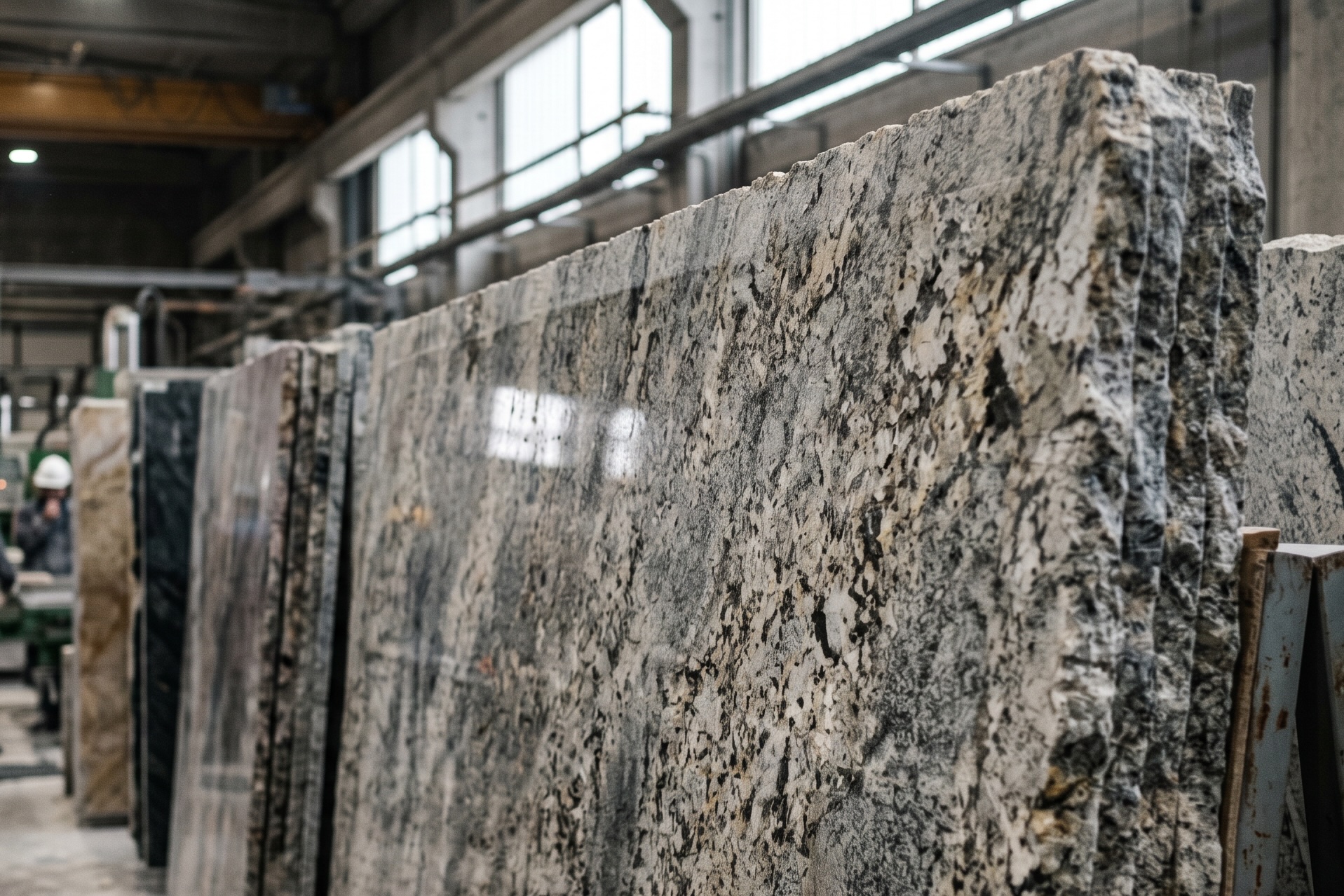
Granite has a radically different mineralogical composition than marble. It is a rock made mainly of quartz, feldspars and micas, decidedly harder and denser. This hardness translates into greater resistance to thermal interaction with the laser: the transformation of the material is less immediate and requires greater power, or a reduced etching speed, than what happens on marbles.
The visual result is particularly interesting. On dark or black granite, laser engraving produces a very sharp contrast, with a frosted or satin effect that enhances every detail. Granite is one of the most widely used materials in the funerary sector: it allows for the creation of writings, photographs, and decorations with permanent contrast and a great visual impact.
Among the CO₂ laser-workable hard stones, OT-LAS identified a very wide range of materials. Among the most suitable stones we find:
Marble: Ideal for detailed and nuanced carvings, with effects that also vary depending on the color of the marble.
Granite: perfect for engraving, especially on dark surfaces, where the contrast is very evident.
Basalt: Popular for sophisticated decorations and elegant textures.
Slate: ideal for obtaining surfaces with a satin and material effect.
Quartzite, travertine and agate: all workable materials with excellent results, each with its own specific yield.
Gemstones such as malachite and lapis lazuli: workable with specific settings to obtain refined engravings.
Processing parameters: what really changes
Laser parameterization is the key to everything. The basic principle is simple: the harder and denser the material, the more the power required increases and the etching speed of the galvanometric head decreases. On marble, a medium power source is sufficient to obtain good quality engravings. On granite and harder stones, however, higher power becomes essential to avoid losing productivity.
The 1,500 Watt radio frequency power is the one that allows us to guarantee reduced processing times and deeper excavations on demanding materials. Marble excavation, for example, can be only shallow or reach depths of about 0.5 mm or greater, depending on the set speed and the number of passes made on the same path. The same principle also applies to other materials, with results that vary depending on various aspects and their specific characteristics.
Radio frequency laser sources, mounted on all OT-LAS machines, have an important advantage: they are highly power-modulable and allow for both nuanced and more pronounced effects. This is a great advantage for those who work with different stones, because it allows the amount of energy released to the material to be calibrated with great precision, avoiding unwanted effects.
One important point to be remembered to our customer is: excessive power is not always the best choice. Too much unnecessary power risks ruining the material, especially on lighter marbles and more delicate stones. For this, the choice of the most suitable machine depends on the mix of materials you intend to work and the quality of engraving required.
Ceramics: a unique material
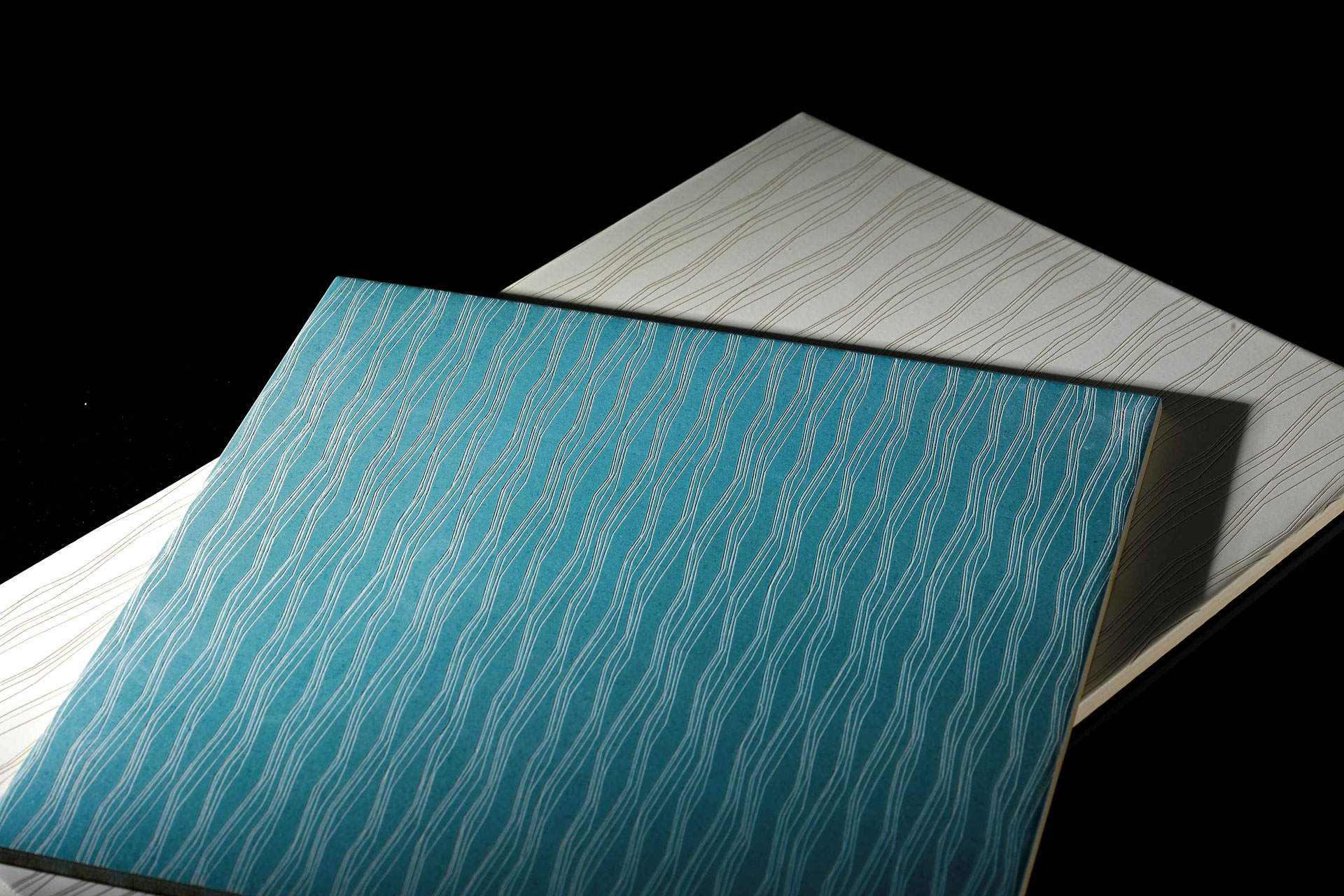
When talking about semiprecious stones, it is natural to also include ceramics in the discussion, a material that shares the application context with marble and granite (cladding, tiles, interior design slabs) but which has very different physical characteristics.
Ceramics is a material produced by sintering: clay and other compounds are compacted and hardened by firing at high temperatures. This process gives the material a high mechanical hardness, which is an obstacle for traditional machining but does not pose a problem for the laser, which acts without contact and without pressure on the surface.
A more sustainable process
Laser processing fits naturally into the sustainable production strategies that many fashion companies are adopting. The absence of solvents, inks, and chemical consumables reduces the environmental impact of the process. Precision cutting minimizes material waste. And a well-maintained laser machine retains its performance over time, ensuring a return on investment that extends across years of use.
For brands that promote values related to responsible production, being able to rely on a technology that is inherently cleaner than traditional alternatives is an advantage that matters both operationally and reputationally.
Engrave the ceramic after firing
Classical working takes place on fired ceramics, typically in the form of tiles, porcelain stoneware slabs, or finished objects. The CO₂ laser acts by surface ablation, creating an imprint with a visual contrast that depends on the type of ceramic and the presence of enamel.
Very complex tone-on-tone markings and textures can be achieved on fired ceramics. Glazed surfaces react differently from unglazed ones, and the color of the ceramic body influences the final contrast: these variables must be calibrated on a case-by-case basis, but the flexibility of the technology allows all these situations to be managed with the same machine.
Engraving ceramics before firing: an interesting route
A lesser-known possibility, but of great production interest, is to engrave the ceramic before firing, when the material is still in its raw state. At this stage, the clay has not yet undergone the transformation that makes it hard and dense, and its interaction with the laser is completely different than with the fired piece.
The main advantage is of a production nature: working the piece before the oven means integrating the laser decoration phase into the production cycle, without having to manage the fired plate as a finished piece to be decorated later. After firing, the engraving consolidates with the same hardness as the surrounding ceramic body, making it perfectly resistant to abrasion and weathering.
It should be remembered that raw ceramics undergo dimensional shrinkage during firing, a factor to be considered when designing the graphic file: decoration dimensions and proportions must be calculated in advance to compensate for this effect, which varies based on the composition of the mixture and firing temperatures. Knowledge of the specific production process is therefore essential for those who want to integrate laser processing at this stage, and the technical support of a partner like OT-LAS can make the difference in parameter tuning.
The applications that laser makes possible
Knowing how to work a wide range of semiprecious stones and ceramics means, in practice, being able to respond to the demands of very different markets:
Funerary sector: Granite has always been the main material for cemetery gravestones, and the laser allows for the engraving of photographs, writings, and decorations with permanent contrast.
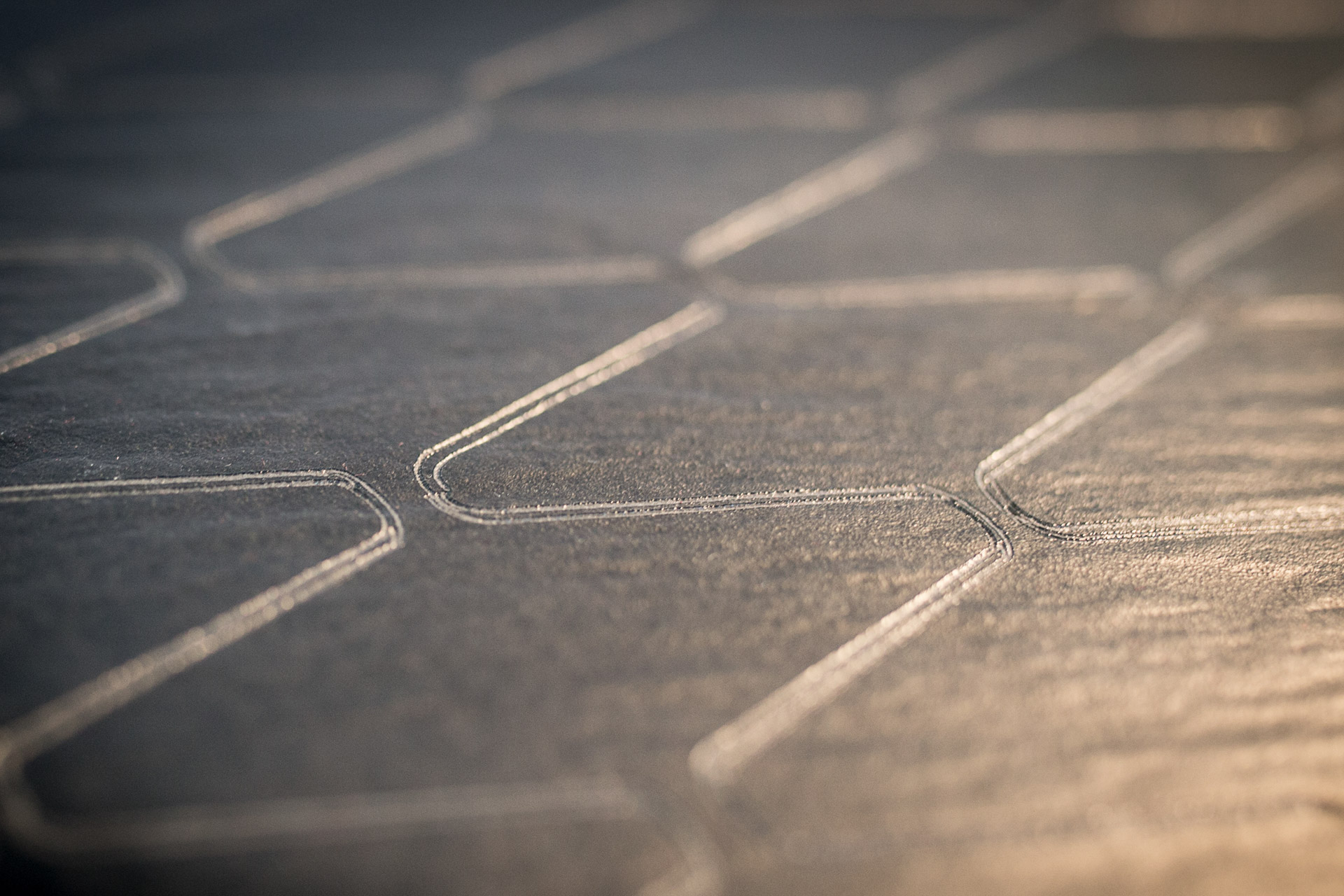
Interior design and architecture: Granite, quartzite, marble and porcelain stoneware are increasingly in demand for fine upholstery, kitchen and bathroom tops, decorative elements. The laser allows you to add textures, continuous patterns and customizations on these materials without compromising their structure.
Tile and artistic ceramics industry: the possibility of laser decorating ceramics, integrating them into production flows, offers manufacturers great operational freedom.
Parameterization as a key factor
Working hard stones and ceramics with the CO₂ laser is not just a matter of available power: it is first and foremost a matter of knowledge of the material and expertise in parameter management. Each type of stone has a different response to the laser beam, and the ability to precisely calibrate power, speed, and number of passes is what makes the difference between an excellent result and a mediocre one.
OT-LAS laser systems are designed to offer this flexibility in a reliable and repeatable way. For working on medium-sized slabs, the reference solution is CX; for larger surfaces, CX-XL with power up to 1,500 Watts and FX-XL, designed for large slabs of marble, porcelain stoneware and natural stones up to 2,000 × 3,500 mm, are available. All OT-LAS machines are entirely Made in Italy, starting with the modular laser source and boast efficient technical support.
To find out which solution is best suited to your industry and the materials you work with, contact the OT-LAS technical team for personalized advice.