
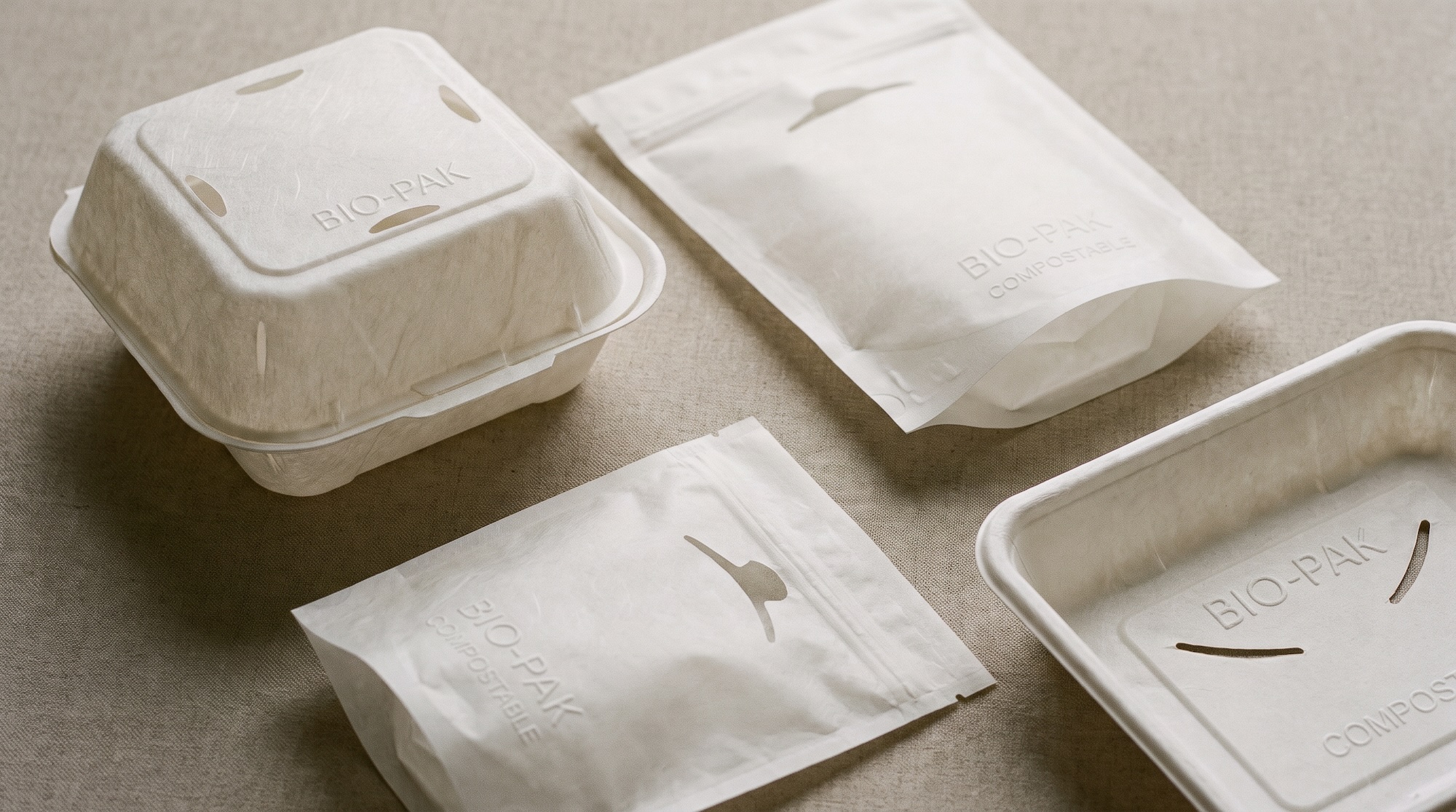
The introduction of cellulose fiber packaging has become a primary requirement for all packaging companies aiming for innovation and relevance in the current market. For years, packaging has been the preserve of plastic, a versatile material that is both convenient for production and harmful to the environment. The urgency of reducing environmental impact, more restrictive European regulations on single-use materials, and increased consumer attention are now revolutionizing the concept of packaging. CO₂ laser engraving and cutting play a leading role in this transition thanks to the unique advantages of this technology.
Why is cellulose packaging a valid alternative?
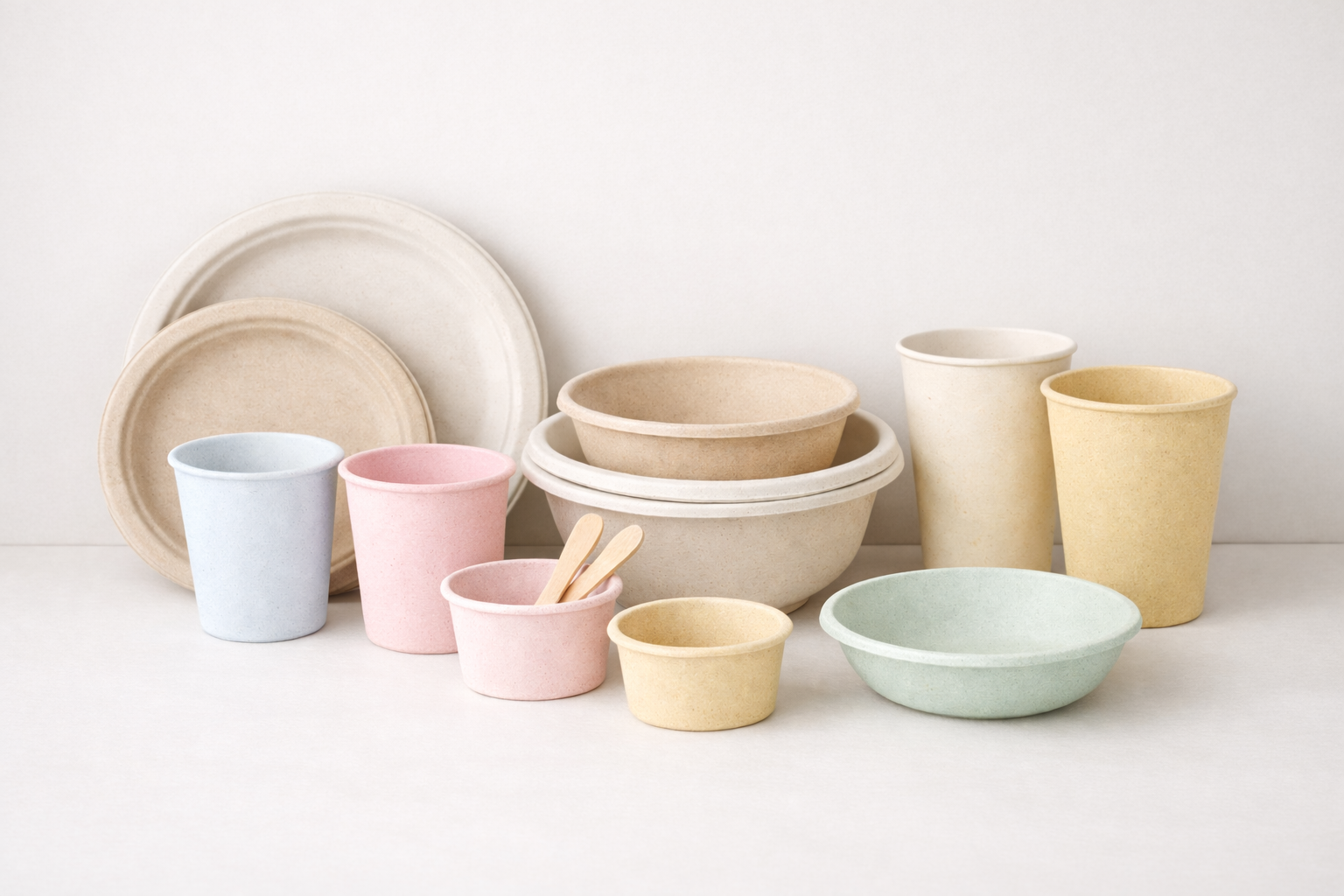
Among the most promising alternatives to plastics, cellulose fiber packaging is gradually gaining ground in many applications. Cellulose is a natural polymer found in plant cell walls. It is mainly derived from renewable sources such as wood from certified forests, bamboo, recycled paper, or even sugarcane processing waste. Its characteristics make it particularly interesting for the packaging industry. In fact, cellulose packaging offers:
- biodegradability
- industrial and domestic compostability
- high recyclability
- excellent mechanical resistance properties
- safety for food contact
- possibility of creating rigid or flexible structures
This is why many companies are replacing traditional plastic packaging with cellulose pulp solutions, used to produce:
- food trays
- take-away boxes
- disposable cups
- protective packaging instead of polystyrene
- packaging for cosmetics and electronics
- compostable food packages
But while it is true that sustainable materials represent the future, we need production processes that match this evolution. CO₂ laser cutting for cellulose packaging proves to be the best technology for the design, customization and manufacturing of these packages.
The limitations of cutting systems for more sustainable packaging
Transforming a new material into an efficient production process requires different technologies than traditional ones. Many production processes are beginning to show obvious limitations. Mechanical technologies such as die-cutting, blade cutting, or traditional stamping systems present several problems:
Continuous tool wear
Machining inevitably causes deterioration of blades, punches and dies, increasing maintenance costs and machine downtime.
Poor production flexibility
Each format change requires new molds or new equipment, slowing down production.
Difficulty customizing
Small print runs or highly customized productions, increasingly in demand by the market, become economically unaffordable.
Greater material waste
The rigidity of traditional packaging processes and the risk of material damage often lead to poor optimization and increased waste. A limit that affects both the costs of procurement and disposal for the company and the environmental impact.
CO₂ laser engraving and cutting machines for packaging make up for all these shortcomings with valuable advantages both from a production and economic and environmental point of view.
Why the CO₂ laser?
Most cellulose-based materials for sustainable packaging have good CO₂ laser absorption (wavelength between 9.3 and 10.6 μm). For this reason, compared to other types of lasers, the CO₂ laser represents one of the best solutions for cutting cellulose-based materials such as bagasse, printed cellulose pulp, bleached softwood and bamboo.
The advantages of CO₂ laser cutting in cellulose packaging
Key strengths of laser technology for the packaging industry include:
1. Maximum production flexibility
The laser is a completely digital technology. Changing the format, modifying a template or producing a new geometry does not require any replacement of mechanical tools. Simply upload a new processing file to customize the product to your needs. This allows companies to quickly switch between production without setup times, reducing operating costs and offering customers greater flexibility.
2. Absence of mechanical tools for machining
With traditional systems, each machining inevitably generates wear and mechanical contact can also cause damage to the material. There is no physical contact with the laser: there are no blades to replace, punches to resharpen, or molds subject to deterioration. Furthermore, the risk of damage to the product is significantly lower once the correct parameters are set.
This means for the company:
- greater production continuity
- reduction of machine stops for tool changes
- reduction of the risk of mechanical damage to the material
- greater flexibility in processing
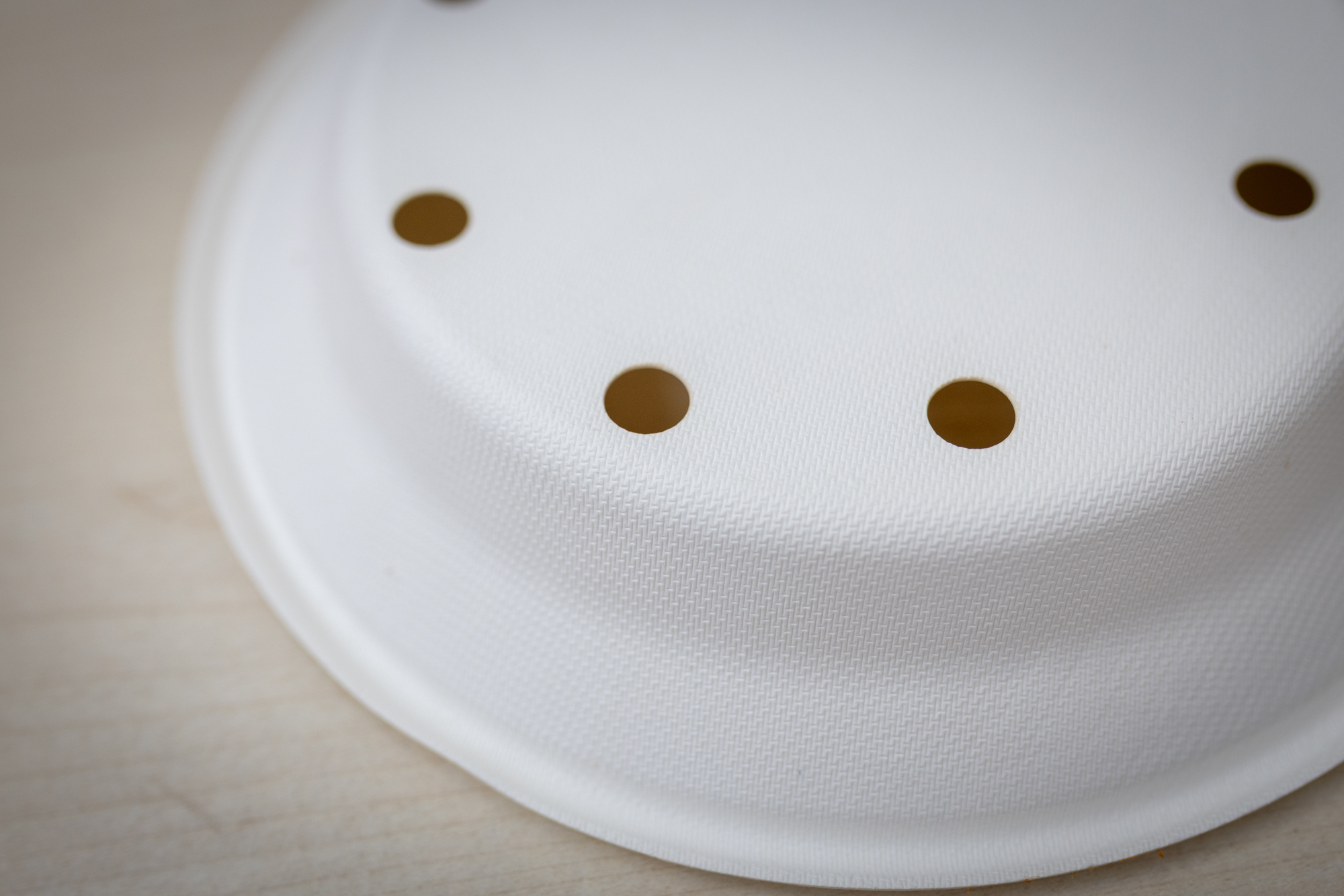
3. Extremely precise cuts
Cellulose, especially in food or premium packaging, requires increasingly sophisticated processing. The laser meets this need with the highest quality workmanship to obtain:
- complex shapes
- very high precision cuts
- clean edges
- controlled micro-drilling
- decorative or logo markings
- complex patterns that are impossible to achieve mechanically
4. On-demand production
One of the great advantages of the laser is the ability to produce only what is needed, when it is required. There is no need to make large batches to amortize costs, and limited editions are no more burdensome than large series.
This opens up new opportunities for:
- personalized productions
- premium packaging
- market testing
- rapid prototyping
- small economically sustainable print runs
Why is cellulose packaging important for Industry 5.0?
Manufacturing industry is entering the era of Industry 5.0, where sustainability, intelligent automation and production flexibility become central. CO₂ laser cutting responds perfectly to this evolution because it allows to:
- Reduce tools and waste due to mechanical damage
- Automate the process
- Check the processing via software
- Customize each individual product
- Avoid using inks and labels
This is why lasers represent a strategic industrial advantage for innovating packaging production while responding to current challenges.
The future of packaging has already begun
The transition from plastic to cellulose is a progressive change destined to redefine entire production chains. Cellulose materials respond perfectly to the principles of the circular economy in that cellulose fibres can be recycled up to seven times, significantly reducing the consumption of virgin raw materials. New technologies based on microfibrillated cellulose allow the creation of entirely cellulosic packaging with high barrier properties against:
- fats
- oxygen
- humidity
- water vapor
In other words: performance increasingly closer to plastic, but with a radically lower environmental impact. Packaging companies must adapt today, adopting more sustainable materials without sacrificing productivity, quality, and economic competitiveness. CO₂ laser cutting allows this balance to be achieved with ultra-precision machining that satisfies the market and respects the environment.
What are cellulose fiber laser packaging machines?
To truly exploit the full potential of a process requires technology designed for the real needs of industry. OT-LAS CO₂ laser machines are equipped with CO₂ laser sources and high-resolution galvanometric scanning heads, entirely developed and produced within the El.En. group. These are therefore solutions designed and produced in Italy, which represent a high-performance industrial solution for all companies that process cellulose fiber materials and innovative packaging.
OT-LAS solutions offer:
- maximum cutting precision
- customizable configurations
- possibility of integration on existing production lines
- continuous industrial reliability
- advanced software for complete process control
- custom design based on the customer’s production needs
- dedicated assistance with trained staff
- internal supply chain and proprietary technology
For over 40 years, OT-LAS machinery has been built around the company’s actual production process. Because the future of packaging depends not simply on the materials used, but also on the efficiency of the processes and the precision of the processes.
Discover all the OT-LAS machines ideal for your company for the production of food, cosmetic, industrial and design packaging.